Unknown's avatar

About Erich Styger

Embedded is my passion....

Tutorial: FreeRTOS 10.0.1 with NXP S32 Design Studio 2018.R1

NXP not only sells general purpose microcontroller, but as well a portfolio of automotive devices which includes the S32K which is ARM Cortex based. For this device family, they offer the S32 Design Studio (or S32DS) with its own Eclipse distribution and SDK. The interesting part is that the S32DS includes Processor Expert (which is a bit different from the ‘mainstream’ Processor Expert). It comes with its own components for the S32K SDK which includes a component for FreeRTOS. But that component in S32DS 2018.R1 comes with an old V8.2.1 FreeRTOS component:

FreeRTOS 8.2.1 in S32DS 2018.R1

FreeRTOS 8.2.1 in S32DS 2018.R1

So what to do if I want to use the latest FreeRTOS (currently 10.0.1) with all the bells and whistles?

Continue reading

McuOnEclipse Components: 1-July-2018 Release

I’m pleased to announce that a new release of the McuOnEclipse components is available on SourceForge. This release includes several smaller bug fixes and initial component support for the NXP S32 Design Studio and SDK.

SourceForge

SourceForge

Continue reading

Show FreeRTOS Threads in Eclipse Debug View with SEGGER J-Link and NXP S32 Design Studio

By default, the FreeRTOS threads do not show up with the SEGGER J-Link debug connection in the Eclipse based NXP S32 Design Studio IDE. But don’t worry: Here is how to get it working with SEGGER J-Link debug connection:

FreeRTOS Threads in Eclipse Debug View

FreeRTOS Threads in Eclipse Debug View

Continue reading

Measuring ARM Cortex-M CPU Cycles Spent with the MCUXpresso Eclipse Registers View

The ARM DWT (Data Watchpoint and Trace) is an optional feature of the ARM-Cortex-M, and many Cortex-M3, M4 and M7 devices have it implemented. With it comes a cycle counter which counts the cycles spent. In Cycle Counting on ARM Cortex-M with DWT I described an approach how the application on the target can access the cycle counter.

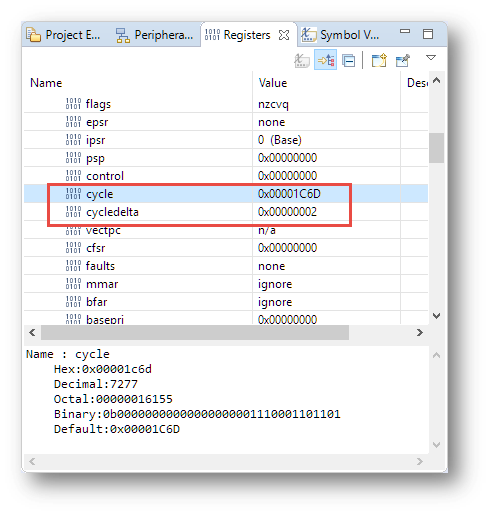
The MCUXpresso IDE shows that cycle counter in the Eclipse Registers view:

Cycle Counter in Register View

Cycle Counter in Register View

Continue reading

Building a DIY SMT Pick&Place Machine with OpenPnP and Smoothieboard (NXP LPC1769)

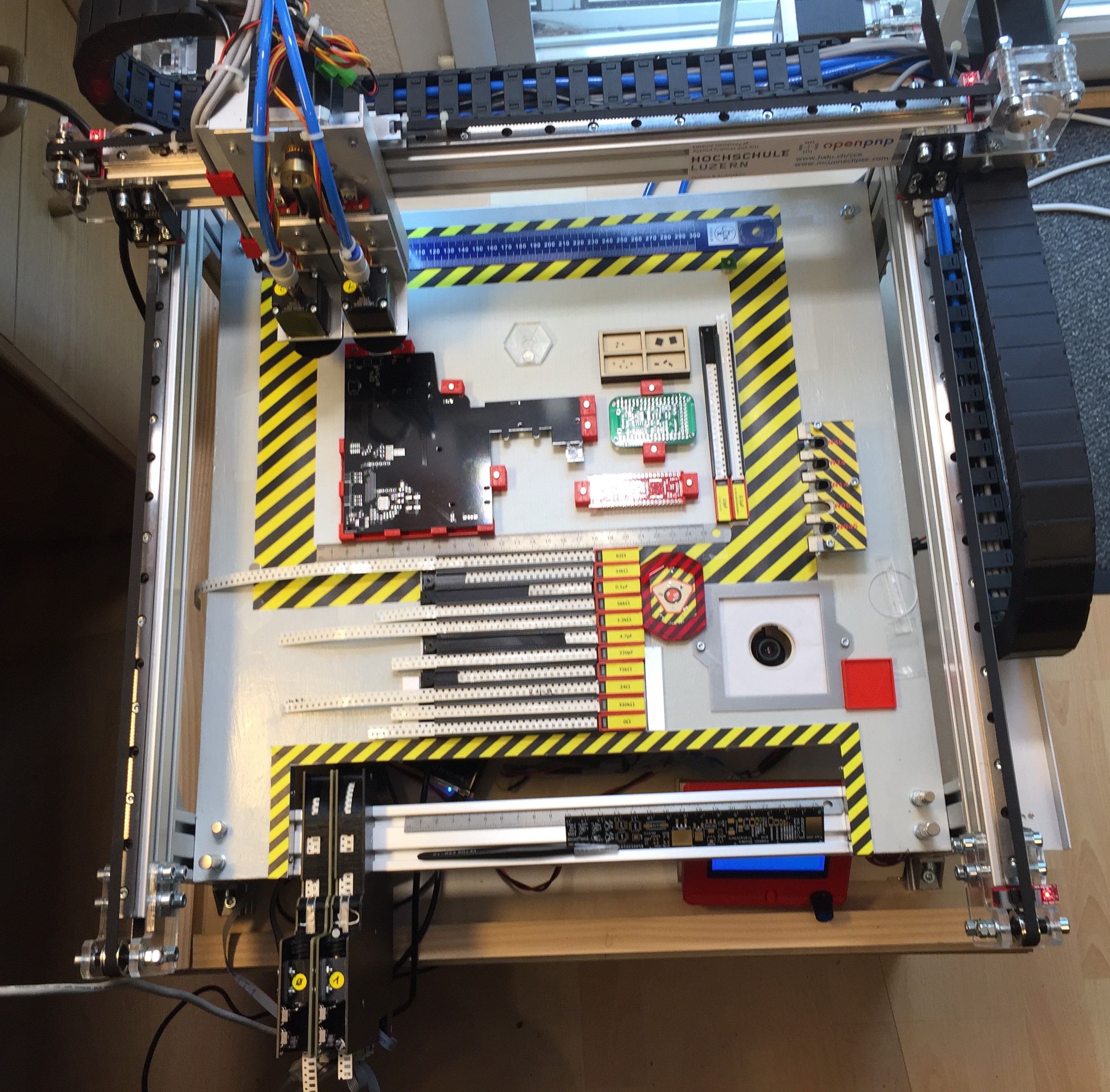
This article is about a project I have started back in January 2018. As for many of my projects, it took longer than anticipated.But now it is working, and the result is looking very good: a DIY automated pick and place machine to place parts on circuit boards. In the age of cheap PCBs, that machine closes the gap for small series of boards which have to be populated in a time consuming way otherwise.

OpenPnP Pick&Place Machine

OpenPnP Pick&Place Machine

Continue reading

Embedded Computing Conference 2018: Pick&Place Overview Video

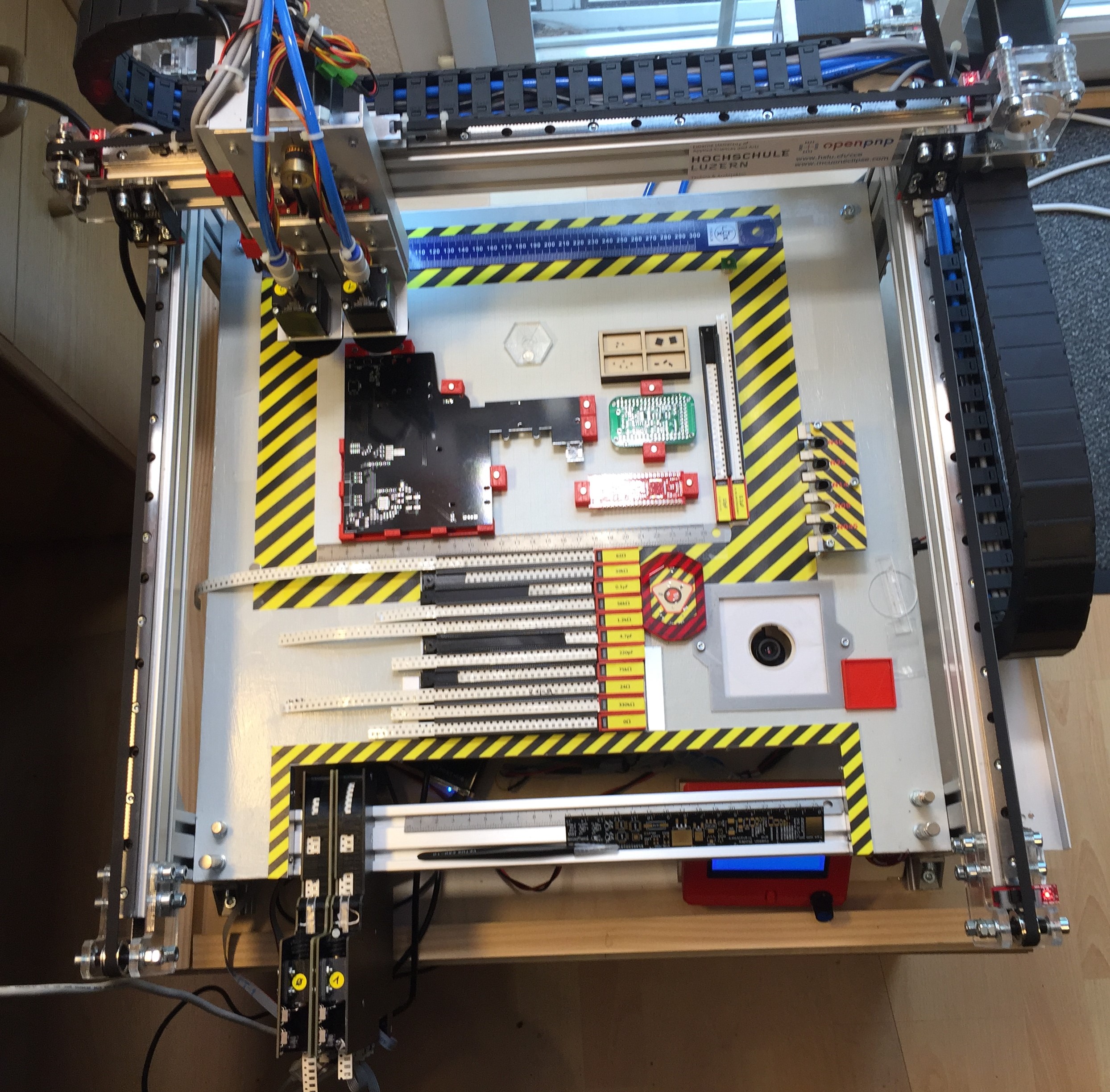
To support my talk next week at the Embedded Computing Conference 2018, I have put together a video with the hardware features of that Pick&Place based on OpenPnP machine based on NXP LPC1769 and NXP Kinetis K22. Below is a picture of the current machine:

Pick & Place Machine

Pick & Place Machine

Continue reading

Installing Darkest Theme with MCUXpresso IDE 10.2

Is BLACK the color of the season? My students really seem to love these ‘dark’ Eclipse themes. Well, I tried ‘dark’ themes in the past, but I have not been vey excited about it. Somehow I preferred more the ‘black on white background’ thing. But: I have now managed to install the ‘Darkest Dark’ Eclipse theme into the NXP MCUXpresso 10.2 IDE for my daily work, and I feel it hurts my eyes less? Maybe I’m getting older? Or could it really be that ‘dark’ look and feel?

Darkest Dark Theme with MCUXpresso IDE

Darkest Dark Theme with MCUXpresso IDE

Find out for yourself in the following article….

Continue reading

GNU Link Time Optimization finds non-matching Declarations

By default, the GNU compiler (gcc) optimizes each compilation unit (source file) separately. This is effective, but misses the opportunity to optimize across compilation units. Here is where the Link Time Optimization (LTO,  option -flto) can help out: with a global view it can optimize one step further.

The other positive side effect is that the linker can flag possible issues like the one below which are not visible to the compiler alone:

type of '__SP_INIT' does not match original declaration [enabled by default]
Warning by LTO

Warning by LTO

Continue reading