OpenPnP Solder Dispenser Sneak Preview

Many of you are aware of that DIY Pick&Place machine build documented in “Building a DIY SMT Pick&Place Machine with OpenPnP and Smoothieboard (NXP LPC1769)“.

That machine has now been modified to dispense solder paste. I did not had time yet to describe the build, but as I have received recently many questions: here are some pre-information about the build:
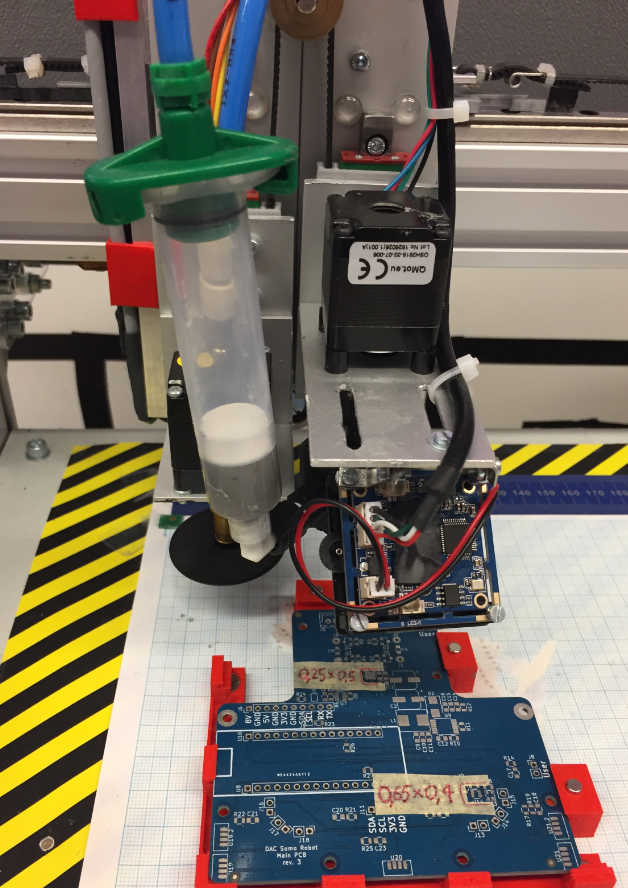
Solder Paste Dispenser

Solder Paste Dispenser

Continue reading

Black Magic Open Source Debug Probe for ARM with Eclipse and GDB

The ‘Black Magic Probe’ (or in short: BMP) is a very small and open source JTAG/SWD debug probe with a build-in GDB Server. I saw that probe referenced in different places, so I thought I try it out with a few of my NXP LPC and Kinetis boards:

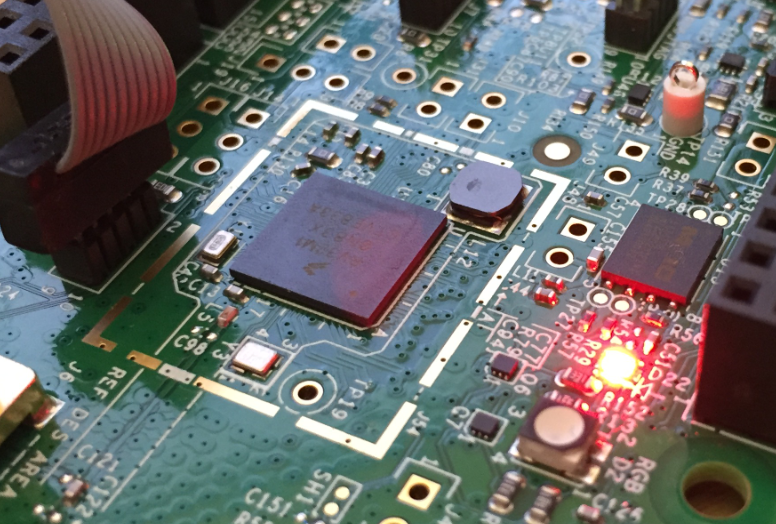
BMP with LPC and Kinetis Boards

BMP with LPC and Kinetis Boards

Continue reading

Building a Raspberry Pi UPS and Serial Login Console with tinyK22 (NXP K22FN512)

There are different ways to ruin a Linux system. For the Raspberry Pi which uses a micro SD card as the storage device by default, it comes with two challenges:

  1. Excessive writes to the SD card can wear it out
  2. Sudden power failure during a SD card write can corrupt the file system

For problem one I do I have a mitigation strategy (see “Log2Ram: Extending SD Card Lifetime for Raspberry Pi LoRaWAN Gateway“). Problem two can occur by user error (“you shall not turn it off without a sudo poweroff!”) or with the event of a power outage or black out. So for that problem I wanted to build a UPS for the Raspberry Pi.

Raspberry Pi with UPS System and tinyK22

Raspberry Pi with UPS System and tinyK22

Continue reading

Tutorial: MCUXpresso SDK with Linux, Part 2: Commandline Debugging with GDB

In “Tutorial: MCUXpresso SDK with Linux, Part 1: Installation and Build with Maked” I used cmake and make to build the SDK application. In this part I’m going to use the command line gdb to debug the application on the board.

Cross-Debugging with GDB

Cross-Debugging with GDB

Continue reading

Log2Ram: Extending SD Card Lifetime for Raspberry Pi LoRaWAN Gateway

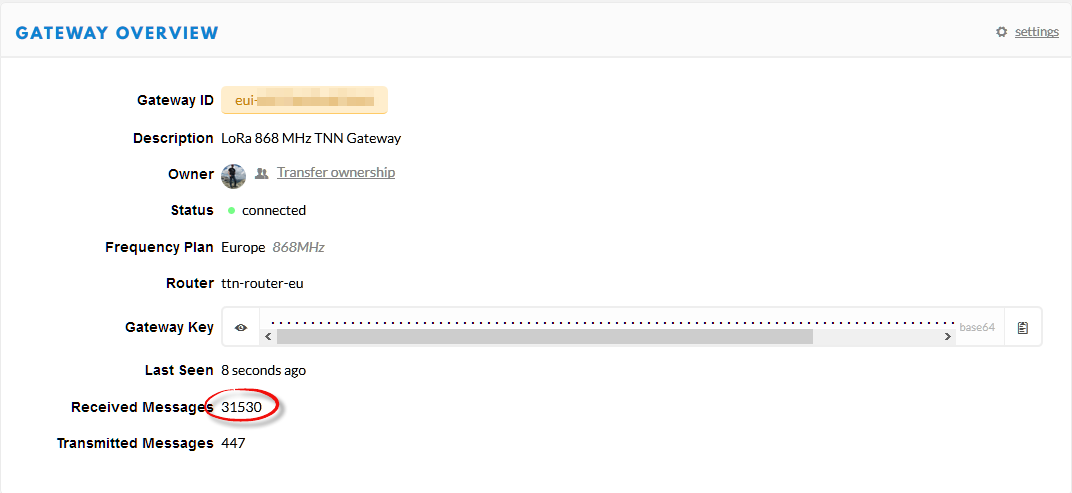
My LoRaWAN gateway (“Contributing an IoT LoRaWAN Raspberry Pi RAK831 Gateway to The Things Network” is running and working great now for more than a month and it already has transmitted more than 30k messages:

Gateway Overview

Gateway Overview

This creates a lot of log entries on the micro SD card of the Raspberry Pi. To avoid writing too many times log data, I have installed Log2Ram.

Continue reading

Tutorial: RAK813 LoRaWAN+BLE+GPS Sensor Node with Eclipse IDE

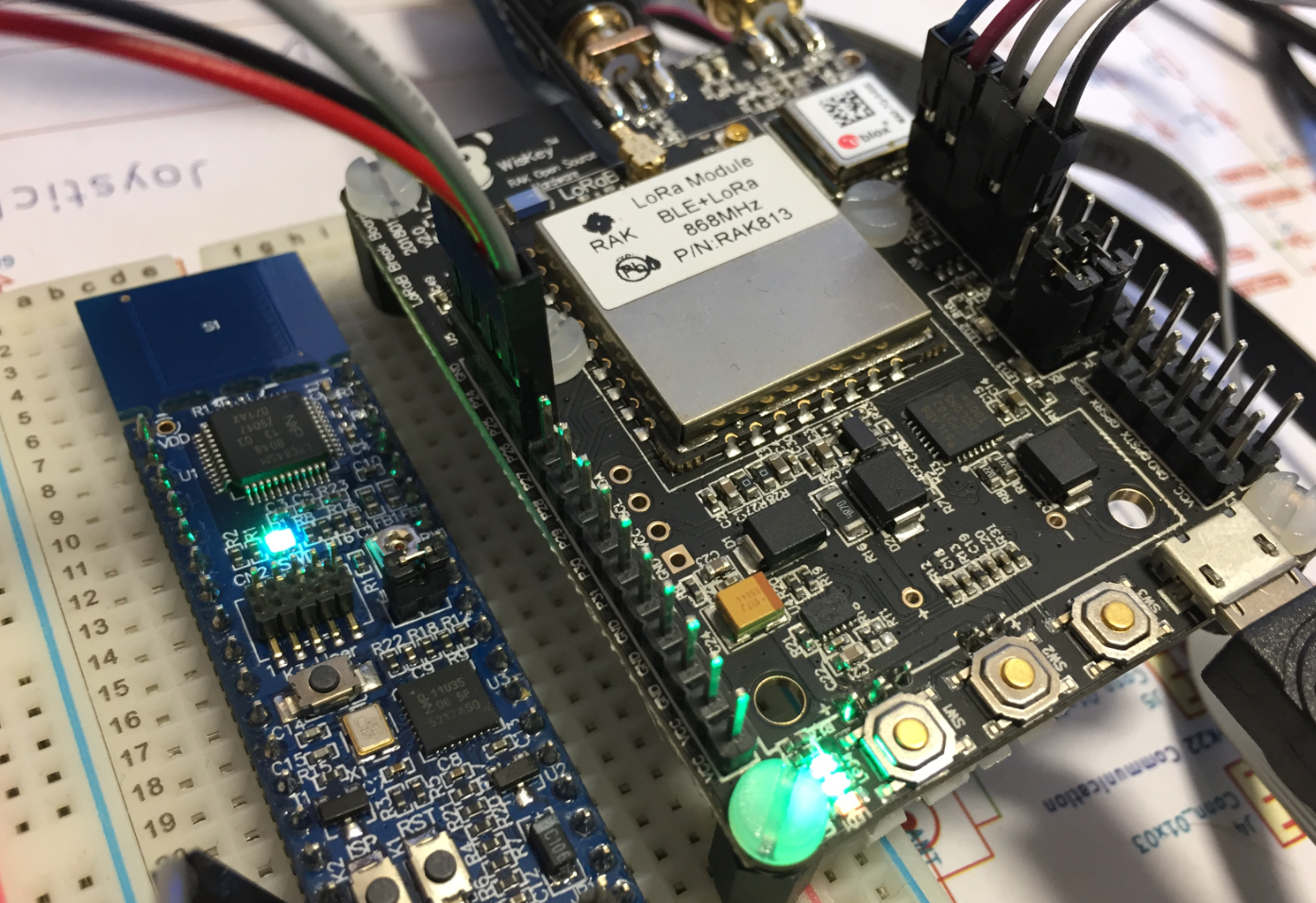
In the IoT world, it is all about security, connectivity and low power. LoRaWAN with the Things Network is able to connect devices over several kilometers, and I’m running my gateway for it already (see “Contributing an IoT LoRaWAN Raspberry Pi RAK831 Gateway to The Things Network“). This tutorial is about building a BLE+LoRaWAN+GPS sensor node with GNU tools and Eclipse:

LoRa+BLE with RAK813 and LPC845

LoRa+BLE with RAK813 and LPC845

Continue reading

Running FreeRTOS on the VEGA RISC-V Board

In “Debugging the RV32M1-VEGA RISC-V with Eclipse and MCUXpresso IDE” I described how to build and debug applications for the VEGA RISC-V board. In this article I describe how to enable FreeRTOS for RISC-V, based on the latest FreeRTOS V10.2.0 release.

Blinky with FreeRTOS on the VEGA RISC-V Board

Blinky with FreeRTOS on the VEGA RISC-V Board

Continue reading

Contributing an IoT LoRaWAN Raspberry Pi RAK831 Gateway to The Things Network

LoRa and LoRaWAN is getting the de-facto wireless IoT network in my area. No surprise that traditional telecom providers like Swisscom trying to monetize the ‘Internet of Things’ area. Luckily there is an open and free alternative: https://www.thethingsnetwork.org/. Volunteers, enthusiasts and members in the different TTN communities build gateways and offer free LoRaWAN network access. I wanted to contribute to that grassroots movement with building my gateway, providing LoRaWAN access to my neighborhood.

LoRaWAN TheThingsNetwork Gateway

LoRaWAN TheThingsNetwork Gateway

Continue reading

Different Ways of Software Configuration

Most of the time software needs some way to configure things: depending on the settings, the software will do different things. For example the software running on the microcontroller on top of the Raspberry might have the OLED LCD available or not:

Raspberry Pi and tinK22 with OLED LCD

Raspberry Pi and tinyK22 (NXP Kinetis K22FN512) with OLED LCD

How can I deal with this in my application code? Continue reading

Tutorial: HD44780 Display Driver with NXP MCUXpresso SDK

In the age of high-resolution graphical LCDs using a character display might look like a bit anachronistic. But these displays provide a lot of value for me as they are robust, available in different shapes and number of lines. And such a character display can be a better solution for an industrial application.

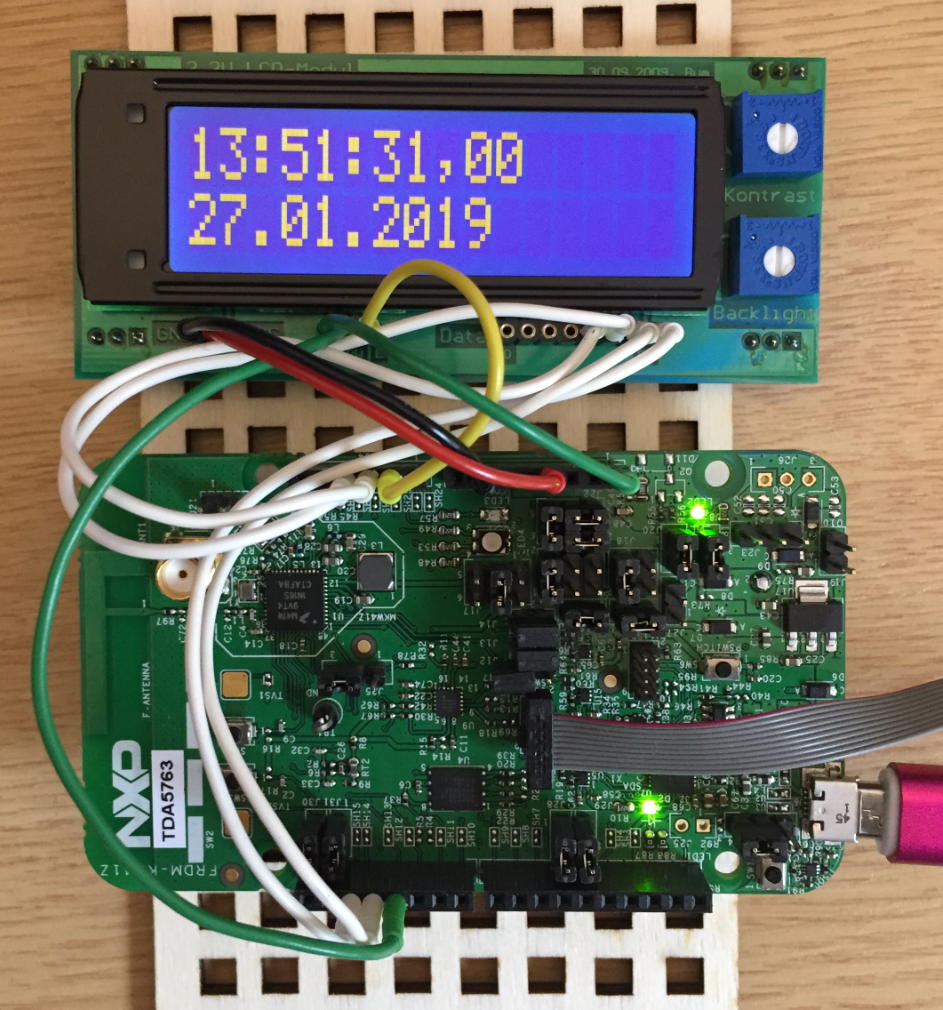
hd44780 display with NXP FRDM-KW41Z Board

hd44780 display with NXP FRDM-KW41Z Board

Continue reading