Key-Value pairs in FLASH Memory: file-system-less minINI

Many embedded systems application need to store some kind of data in a persistent way: calibration values, settings or log information. For a smaller amount of data, using an external memory or file system is an overkill. In many system I’m using minINI to store key-value pars in in a ‘ini-file’ way, but it requires the use of a file system of some kind. minINI is great and efficient, and makes getting and storing data really easy. But for simple cases, a single FLASH memory page or sector is just all what I need. Instead managing that page directly, why not using minINI without a file system?
Continue reading

New “MCU-Link Pro”: Debug Probe with Energy Measurement

After the release of the NXP MCU-Link debug probe, there have been hints in the Eclipse based MCUXpresso IDE that there must be another one coming. And indeed: another and more powerful debug probe is now available: the MCU-Link Pro. It is not only a debug probe but a power/energy measurement tool too, including an extra LPC804 mikrocontroller which can be used for all kind of things, like automation or scripting.

NXP MCU-Link Pro
Continue reading

Spilling the Beans: volatile Qualifier

It is interesting to see that some aspects (mostly unintended) can stimulate lots of good and fruitful discussions. So this happened with “Spilling the Beans: Endless Loops” (recommended to read 🙂 where using (or not using) volatile for inline assembly created thoughts which warrant an article on that subject.

The volatile qualifier in C/C++ is misunderstood by many programmers, or wrongly used.

Photo by Tara Winstead on Pexels.com

Still, ‘volatile’ is very useful if you know what it means for the compiler and what is good use of it.

Continue reading

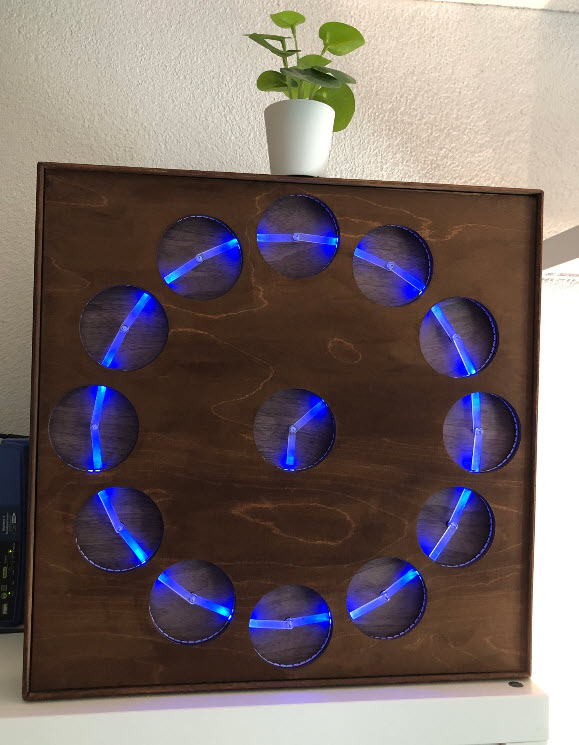
Round MetaClockClock

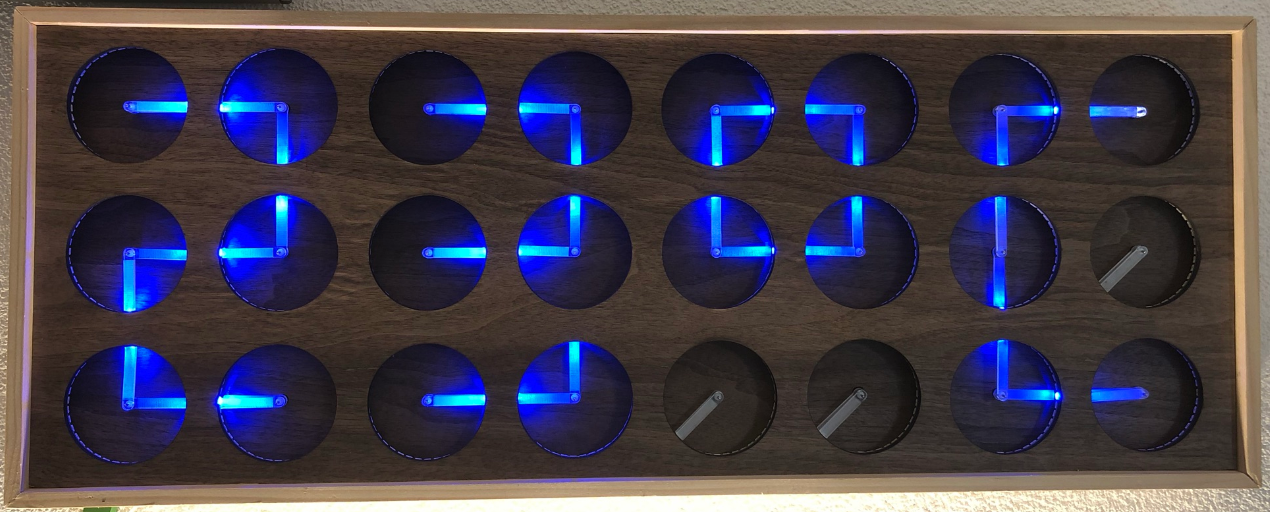
It has been a while since my last MetaClockClock, and with the continued shortage of electronics on the market I had no chance to order new parts. But I still had some remaining parts, and with the modular design of the ’round’ clocks I was able to build up another one, but this time with even less than the usual minimum of 24 clocks:

So if you are up to build a MetaClockClock with less clocks, this might be the way for you.

Continue reading

Optimized Vinyl Cutting G-Code Tool Path with DXF2GCODE

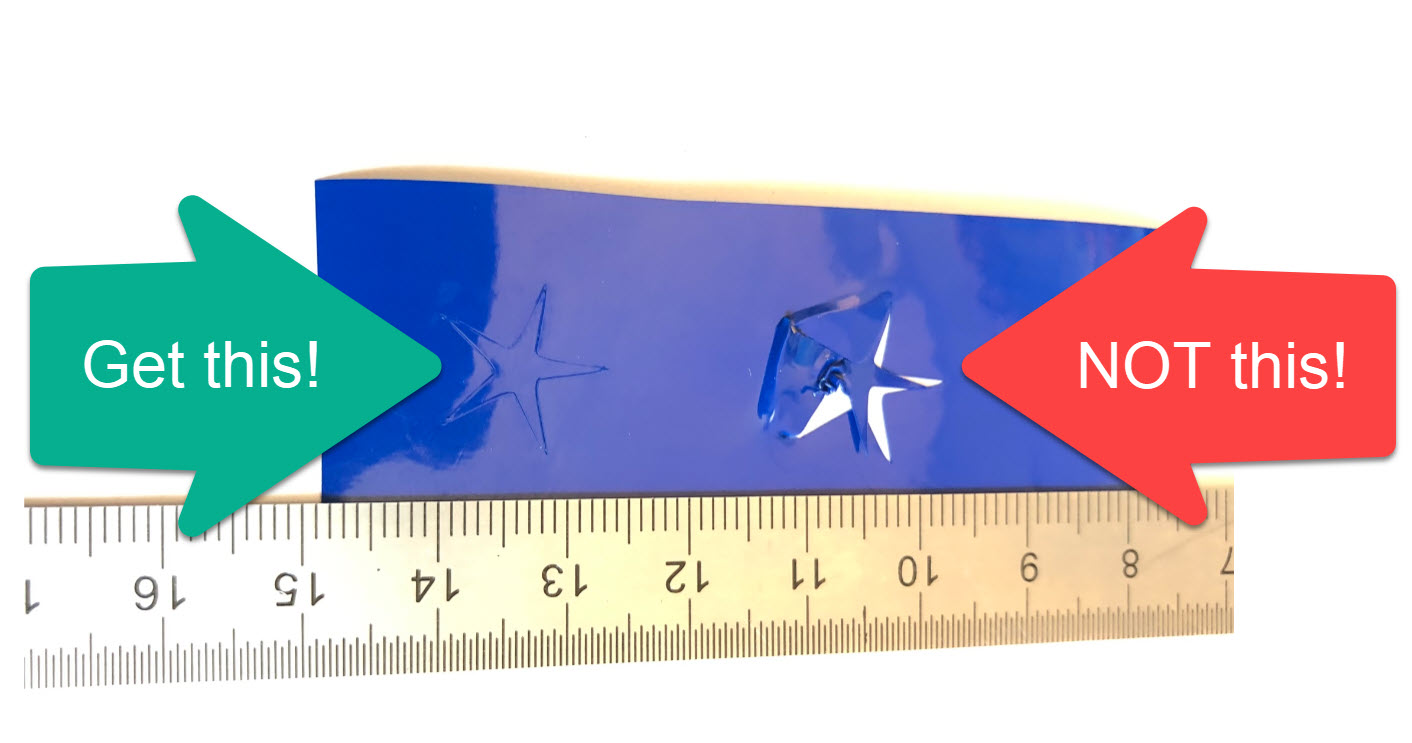
G-Code (or RS-274) is a widely used protocol for CNC machines. I have added vinyl cutting capabilities to the Shapeoko desktop CNC recently (see DIY Vinyl Cutting Drag Knife for Desktop CNC), however cutting vinyl with a drag knife is whole different story compared cutting materials like wood or aluminum. As with many other things, it is about handling all corner cases properly.

Expected and not expected results cutting vinyl
Continue reading

Position-Independent Code with GCC for ARM Cortex-M

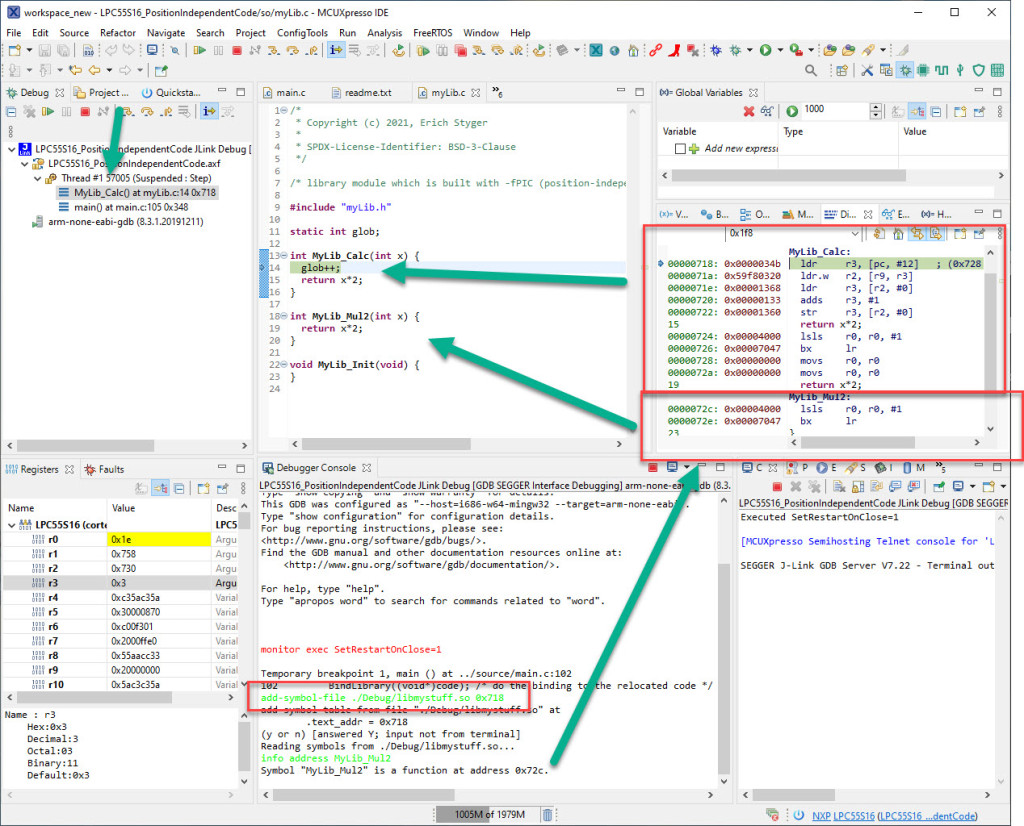
Welcome to ‘Alice in Wonderland‘! For a university research project using an ARM Cortex-M33 we are evaluating position-independent code as way to load applications or part of it with a bootloader. It sounds simple: just add -fPIC to the compiler settings and you are done.

Unfortunately, it is not that simple. That option opened up a ‘rabbit hole’ with lots of wonderful, powerful and strange things. Something you might not have been aware of what could be possible with the tools you have at hand today. Leading to the central question: how is position-independent code going to work with an embedded application on an ARM Cortex-M?

Let’s find out! Let’s start a journey through the wonderland…

Continue reading

MetaClockClock Build Instructions

If you are not aware (yet?): it looks like the COVID pandemic caused a global silicon and microcontroller shortage with lead times >50 weeks in some cases. The microcontroller I have used for the MetaClockClock build (see “New MetaClockClock V3 finished with 60 Clocks” and “MetaClockClock V4 for the Year 2021“) is affected by this too, but I had luck and still enough microcontrollers to build a few more boards.

So I still have enough for building a new variant with it (not finished yet). While everyone else is waiting for the devices to arrive, here are more details and instructions for your own build.

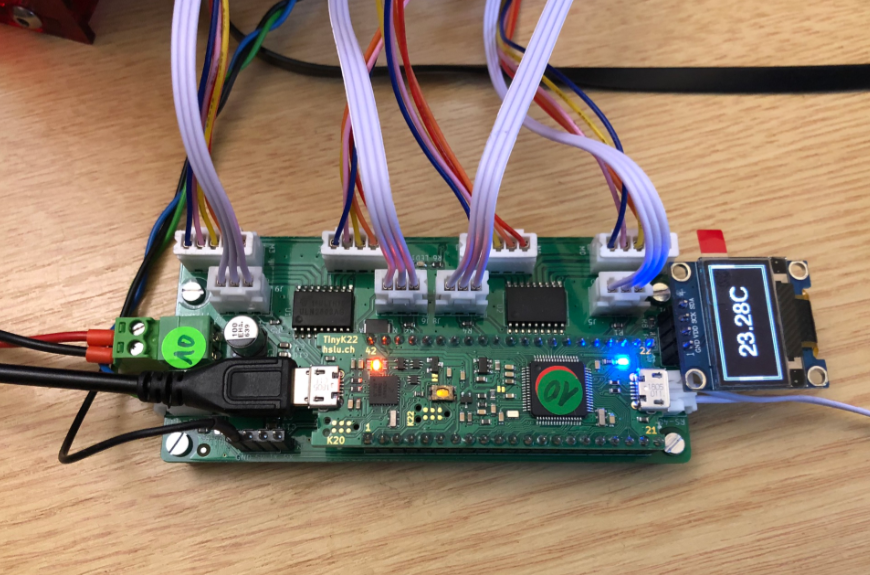
MetaClockClock Temperature Display
Continue reading