Breakout boards are great: they allow me to explore functions quickly, without to build my custom board: all what I need is some wires and ideally a bread board.

Adadfruit MicroSD Card Breakout Board

Breakout boards are great: they allow me to explore functions quickly, without to build my custom board: all what I need is some wires and ideally a bread board.
Adadfruit MicroSD Card Breakout Board
NXP has released their Kernel Awareness for FreeRTOS in Eclipse (Kinetis Design Studio):

Having a total of 14 guests in the evening, why not preparing a great BBQ? A smoker can take a lot of meat, so for this I decided to smoke two kinds of Baby Back Ribs plus one pork shoulder for pulled pork. Everyone is helping with preparing desert plus the salad dishes:
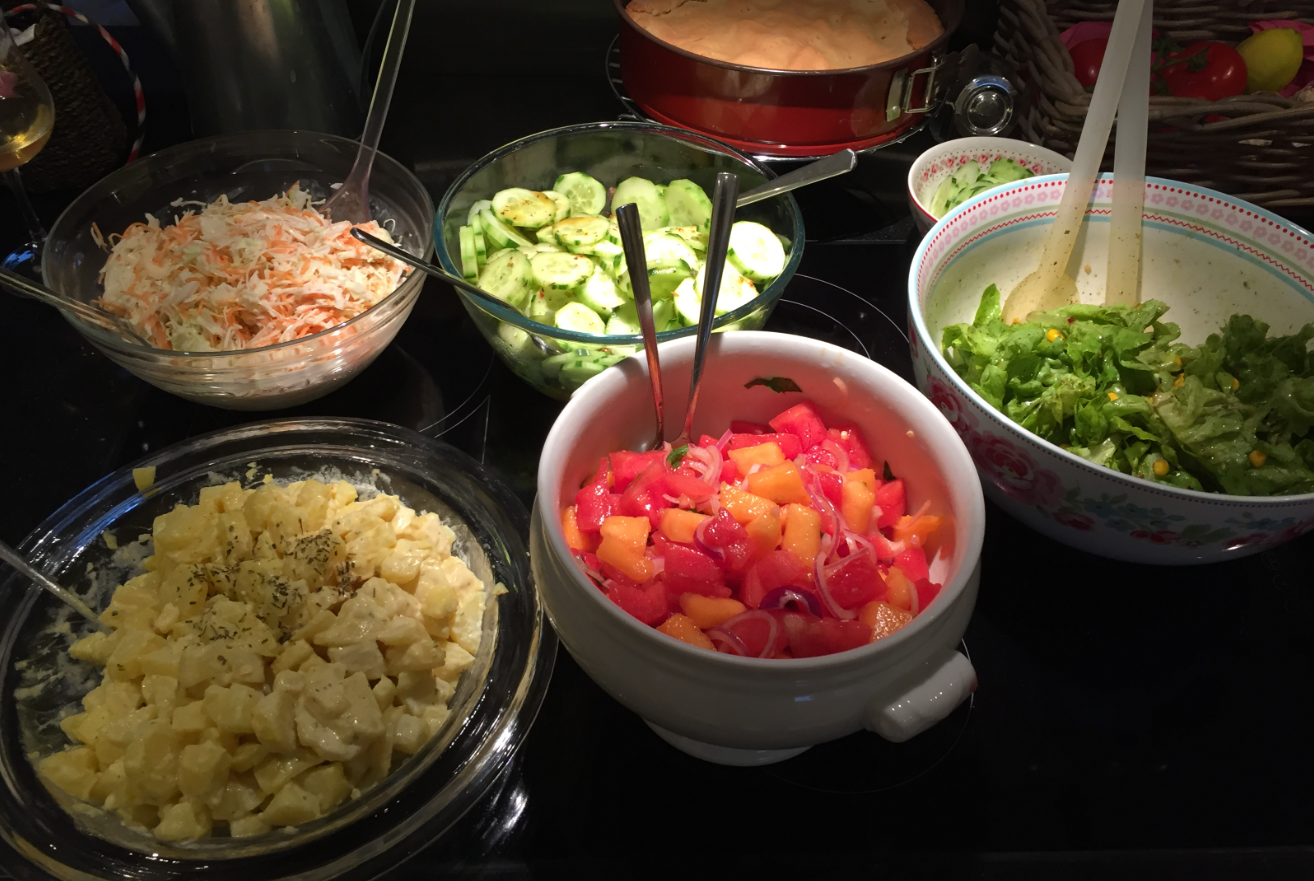
Salad bar
My job was to get up early to deal with the fire and meat 🙂
Today it has been a mostly rainy day, except in the morning there was a small window with sunshine and no rain. Amazing to watch the bumblebees, bees and wild bees are taking advantage of that opportunity.

Bee on Lavender
Sometimes things don’t go well, especially with bringing up a new board design. I always sweat blood that first minute when I try to connect with the debugger to a new design: Will it work? After the optical inspection, performing electrical tests (no shortcuts? voltage levels ok?) the inflection point is when I’m connecting the first time with the debugger to the new board: either it will properly connect and program the device (hurrah!) or it will fail and potentially difficult hours of investigations have to follow.
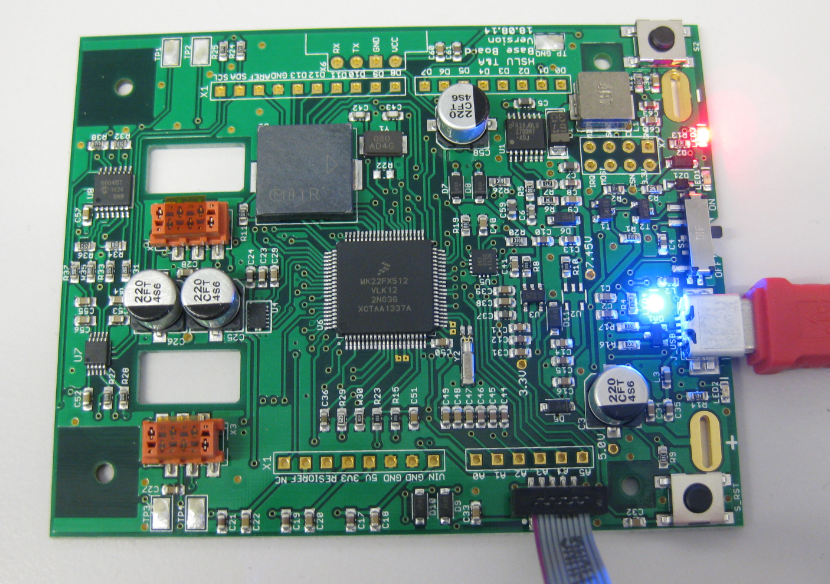
First PCB under Debug
More and more of my students are using Microsoft Windows 10 machines, and my computer has been upgraded to Windows 10 a couple of week ago too. From my work and experience, a new operating system causes always some challenges, and Windows 10 is no difference. And no, this is not about Microsoft vs. Apple vs. Linux, this post is about addressing a potential and painful problem which I have observed with Windows 10 machines, and to my understanding it could happen with any other operating system too. The problem is that somehow on several student machines the bootloader and OpenSDA application on their FRDM boards did not work any more.
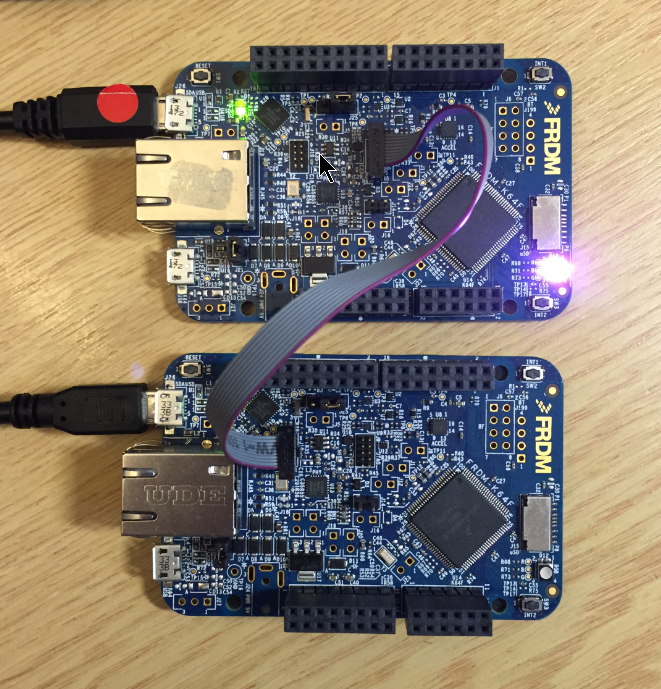
FRDM-K64F (top) programming the OpenSDA Bootloader (bottom)

SourceForge
A new release is available on SourceForge, with the following main changes:
One of the major benefits of Processor Expert is that I can easily switch the device or processor used in a project. For example I can do my concept with a larger device with more FLASH and RAM, and then at the end easily switch to a smaller or even completely different device very quickly. For example I have a project working with the 64KByte FLASH version of the KE02Z (KE02Z68VLH2):
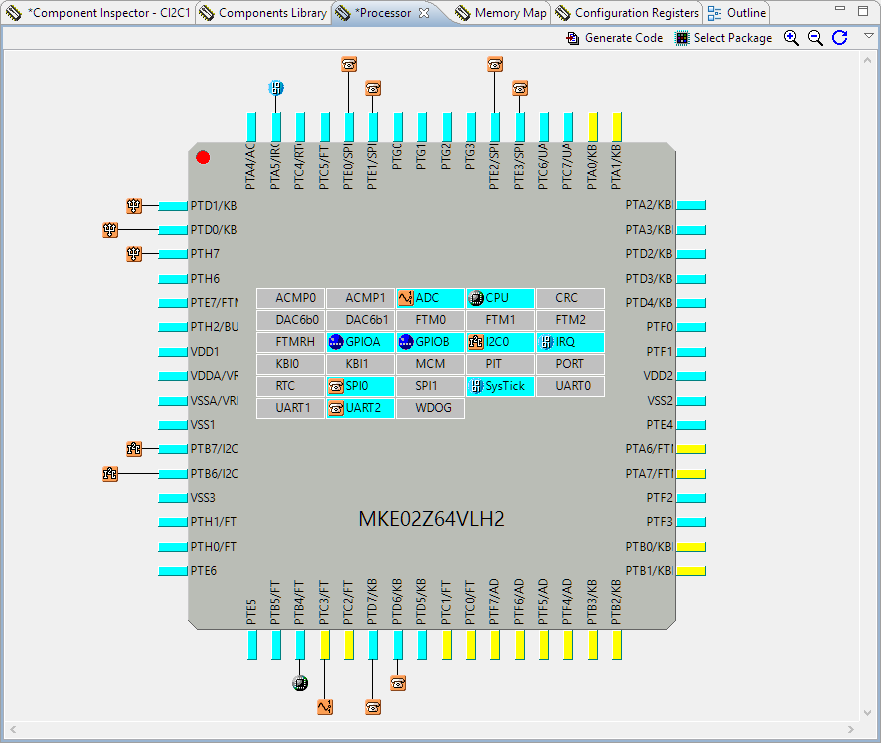
MKE02Z64VLH2
For a university research project I need a fast microcontroller with lots of RAM and FLASH memory. I have ordered a TWR-KV58F220M board from NXP which arrived yesterday. The special thing is that it has on of these new ARM Cortex-M7F on it:
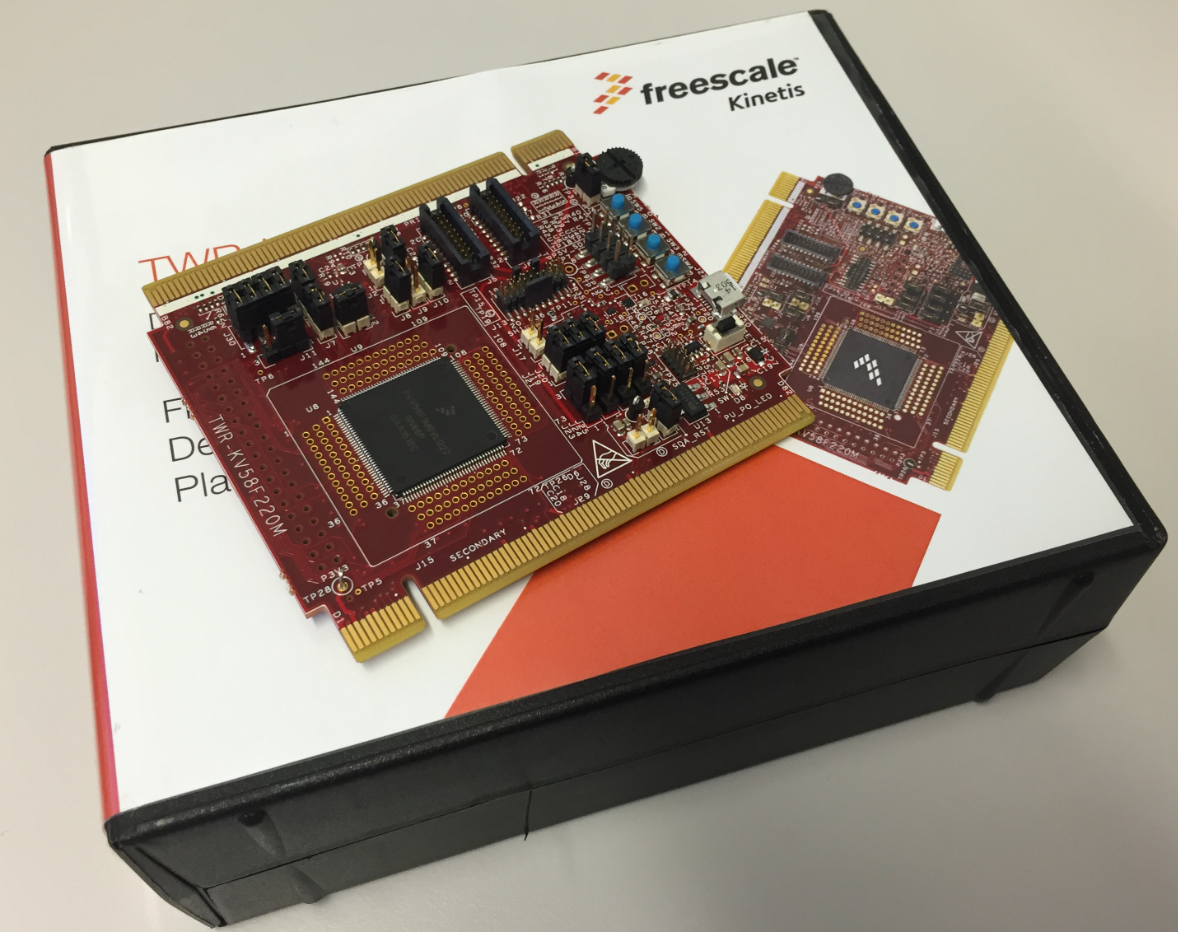
TWR-KV58F220M Box
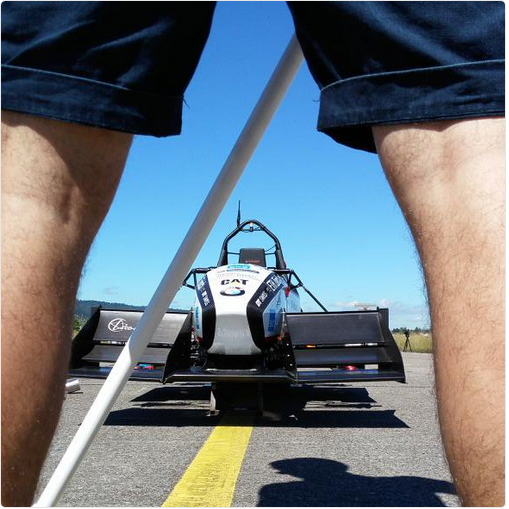
The AMZ Formula Student Team did it again: they accomplished a new the world record today: accelerating with an electrical vehicle from 0 to 100 km/h in only 1.513 seconds!
 MCU on Eclipse